Beyond the Chai Latte: The Real Indian Drinks Your Kitchen Has Been Missing
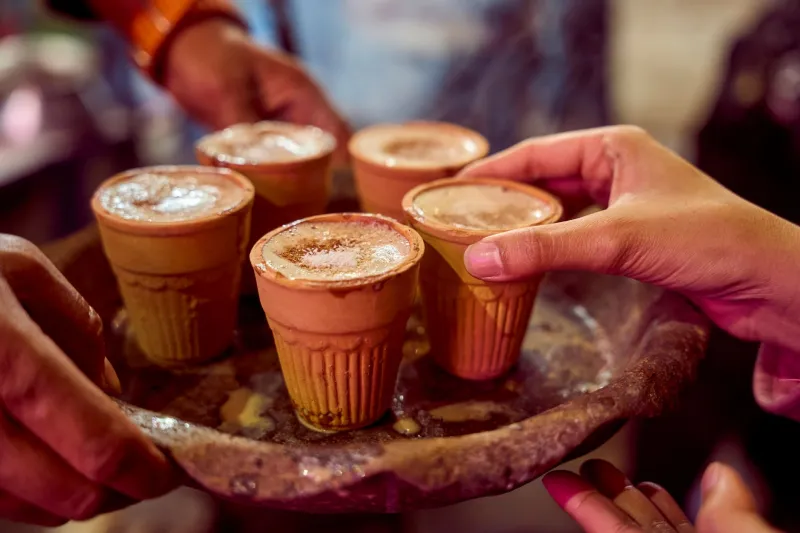
Somewhere between the pumpkin spice season and the cold brew obsession, chai became America's shorthand for "exotic but accessible." And look, we're not here to throw shade at a good cup of masala chai. But if that's where your knowledge of Indian beverages begins and ends, you're missing out on an entire world of drinks that are more interesting, more regional, and frankly more delicious.
India has one of the most diverse drink cultures on the planet — shaped by climate, religion, season, and local agriculture. The problem is that most of it never travels well to the American mainstream. So let's fix that.
Thandai: The Drink That's Basically a Festival in a Glass
If you've ever been to a proper Holi celebration, you've probably had thandai — or at least heard it mentioned in a slightly scandalous tone (the bhang version, we see you). But the non-alcoholic, non-bhang version is something everyone should know about.
Thandai is a chilled milk drink blended with a paste of soaked almonds, fennel seeds, watermelon seeds, rose petals, cardamom, saffron, and black pepper. The flavor is cooling, aromatic, and layered in a way that's hard to describe until you've tried it. It's traditionally made for Holi and Maha Shivratri, but honestly, it works beautifully as a summer drink any time of year.
How to make it at home: Soak almonds, watermelon seeds, and fennel seeds overnight. Blend with a little water into a smooth paste. Mix into warm whole milk along with saffron, cardamom, and sugar. Strain, chill, and serve over ice with a pinch of rose water.
Where to source ingredients in the US: Most Indian grocery stores carry thandai masala powder as a shortcut (brands like Everest and MDH are solid). For the real deal, look for raw watermelon seeds and dried rose petals at stores like Patel Brothers or online at Amazon's Indian grocery section.
Sattu Sharbat: Bihar's Best-Kept Secret
Sattu doesn't get nearly enough attention outside of Bihar and UP circles, and that's a genuine shame. Made from roasted chana (chickpea) flour, sattu is basically a protein powder that predates the wellness industry by about a thousand years.
Sattu sharbat is the cold drink version — sattu mixed with water, lemon juice, black salt, roasted cumin, and sometimes a touch of mint. It's earthy, savory-sweet, and surprisingly refreshing. It's also filling in a way that makes it a legitimate meal replacement on hot days. Athletes in Bihar have been drinking this for generations.
Quick recipe: Mix 2 tablespoons of sattu flour into a glass of cold water. Add a squeeze of lemon, a pinch of black salt (kala namak), half a teaspoon of roasted cumin powder, and a few mint leaves. Stir well and drink immediately.
Finding sattu in the US: This one requires a little hunting. Larger Indian grocery stores sometimes carry it, but your most reliable bet is ordering online — brands like Organic India and Sattu King ship to most US addresses.
Masala Milk: The Bedtime Drink That Actually Works
Forget melatonin gummies. Masala milk — warm whole milk spiced with turmeric, cardamom, nutmeg, and ashwagandha — has been the Indian grandmother's answer to sleeplessness for centuries. The Western wellness world discovered turmeric milk and rebranded it as "golden milk" and started charging $8 a cup at juice bars. We're here to tell you that you can make a far better version at home for about 40 cents.
The key is the spice blend. Turmeric is the base, but the magic comes from cardamom's sweetness, nutmeg's warmth, and a tiny pinch of black pepper (which actually helps your body absorb the turmeric's curcumin — yes, the science backs this one up).
Simple recipe: Heat one cup of whole milk. Add half a teaspoon of turmeric, a quarter teaspoon of cardamom, a tiny pinch of nutmeg, a pinch of black pepper, and honey or jaggery to taste. Whisk well and drink warm before bed.
Pro tip: Jaggery instead of sugar makes a real difference here. It adds a molasses-like depth that regular sugar just can't match.
Kokum Sharbat: Coastal India's Coolest Export
Kokum is a fruit native to the Konkan coast — Maharashtra, Goa, Kerala — and it makes a drink that's tart, deep ruby red, and genuinely unlike anything you've had before. Think of it as tamarind's more elegant cousin.
Kokum sharbat is simply kokum soaked in water with sugar, black salt, and cumin. It's incredibly refreshing in summer heat and is also a traditional digestive — people in coastal Maharashtra drink it after heavy meals. Some versions add coconut milk for a creamier, richer variation called sol kadhi, which is its own thing entirely and also worth exploring.
Where to find kokum: Dried kokum is available at most Indian grocery stores, especially those with a good Maharashtrian or South Indian selection. It also ships easily online and keeps well in your pantry.
Nimbu Pani: Stop Underestimating It
Yes, it's lemonade. But it's not just lemonade. The Indian version — nimbu pani — gets its personality from black salt, roasted cumin, and sometimes a hit of ginger. That combination transforms a simple glass of lemon water into something that actually tastes like it belongs at a street stall in Jaipur.
This one requires zero specialty shopping. You probably have everything you need in your kitchen right now. The only swap is kala namak for regular salt, and that's available at virtually every Indian grocery store in the US.
Making These Drinks Part of Your Routine
The thing about all of these beverages is that they're not just drinks — they're stories. Thandai carries the memory of Holi. Sattu sharbat is Bihar's working-class wisdom. Masala milk is every dadi who ever told you sleep was medicine.
Bringing these into your American kitchen isn't about being trendy. It's about keeping something alive — a connection to a food culture that's richer and more varied than any menu at a fusion restaurant will ever show you.
At Apna Shopsy, we're all about making that connection easier. Stock your pantry right, and your kitchen becomes a little bit of home — wherever home happens to be.