Nobody Told Us a Desi Wedding in America Would Cost This Much
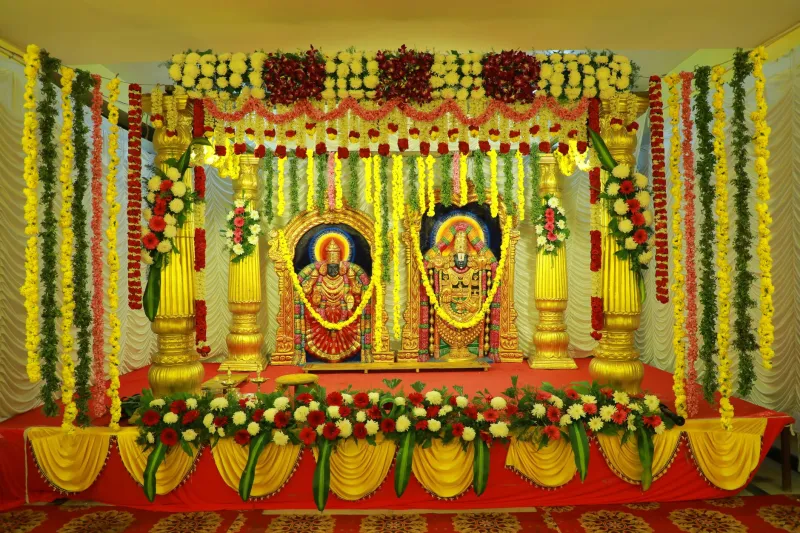
The moment your family starts using the phrase shaadi ki tayari, your bank account should probably start bracing itself. Indian weddings in America occupy a very specific financial reality — one that sits awkwardly between two worlds, and honestly, gets expensive in both of them.
Your American coworkers see the photos on Instagram and say things like, "Oh wow, it looked like a fairy tale!" What they don't see is the eighteen-month planning process, the six-figure catering bill, or the quiet family negotiations about who's contributing what. The price tag on a desi wedding in the US isn't just high — it's high and culturally loaded in ways that are genuinely difficult to explain at brunch.
The Real Numbers Nobody Posts Online
Let's talk actual figures. A mid-range Indian wedding in a major metro area — think Chicago, Houston, New Jersey, or the Bay Area — typically runs between $80,000 and $150,000. That's not the luxury end. That's the "we tried to keep it reasonable" end.
Where does it go? Roughly like this:
- Venue: $15,000–$40,000 for two to three days, because a one-day nikah or pheras simply doesn't exist in most family vocabularies
- Catering: $120–$200 per head for vegetarian Indian food, and finding a caterer who actually knows the difference between Gujarati dal and Punjabi dal is a whole separate adventure
- Décor and mandap: $8,000–$25,000, with South Asian wedding decorators in high demand and pricing accordingly
- Photography and videography: $5,000–$15,000, because your nani will want a highlight reel
- Outfits: $3,000–$10,000 across multiple events, especially if you're sourcing lehengas or sherwanis from India and dealing with shipping timelines
- Priest/pandit fees, mehendi artists, dhol players: Another $2,000–$6,000 depending on your city
And that's before you've touched invitations, hotel room blocks for out-of-town relatives, or the unplanned expenses that show up two weeks before the wedding like uninvited guests.
The 'Desi Premium' Is Real
Here's something that frustrates a lot of families: the moment a vendor hears the word "Indian wedding," pricing tends to shift. It's not always malicious — Indian weddings genuinely require more time, more setup, more coordination across multiple events. But it creates a situation where diaspora families are paying American vendor rates for cultural services that are significantly cheaper back home.
A pandit in Ahmedabad charges a fraction of what one in Atlanta charges. Mehendi artists in Mumbai are world-class and affordable; in a mid-sized American city, you might be flying someone in from out of state. The cultural specificity that makes these weddings meaningful is also what makes them expensive here.
South Asian wedding vendors — photographers who understand the significance of the saat phere, caterers who know how to cook for 400 guests with varying dietary restrictions, decorators who can build a mandap that doesn't look like a Pinterest approximation — are in genuine short supply outside of major desi hubs. High demand, limited supply, premium pricing. It's simple economics dressed in a lehenga.
When Family Expectations Meet American Reality
The cultural pressure piece is where things get emotionally complicated. Many Indian families operate with an implicit understanding that a wedding is a community statement. It signals prosperity, respect, and belonging. Cutting the guest list from 500 to 150 isn't just a budget decision — it can feel like a social one.
First-generation parents often carry expectations shaped by weddings they attended in India, where scale was achievable at a very different price point. Second-generation couples are trying to honor those expectations while also managing student loans, down payments, and the general financial reality of American adult life. That tension is real, and it shows up in a lot of planning conversations.
The good news? More families are having these conversations openly now. The "just do what makes your parents happy" approach is giving way to something more collaborative — and more financially honest.
Practical Ways to Bring the Budget Down Without Losing the Soul
You don't have to choose between a meaningful celebration and your financial future. Here's what actually works:
Consolidate events strategically. Not every function needs its own full-scale production. A combined mehendi and sangeet can be just as joyful as two separate events — and cuts venue, catering, and décor costs significantly.
Source smartly across borders. Outfits, jewelry, and decorative items ordered from India well in advance can save thousands. Give yourself a six-month runway for shipping and any alterations needed once you're back in the US.
Find vendors through community networks. Desi Facebook groups, local temple bulletin boards, and platforms like Apna Shopsy's vendor community are gold mines for finding South Asian-owned businesses that offer fair pricing and genuine cultural fluency. Word-of-mouth recommendations from people who've been through the process are worth more than any Google search.
Negotiate package deals. Many South Asian wedding photographers and videographers offer bundled pricing. Same with decorators who also handle florals. Bundling services with one vendor reduces coordination costs and often unlocks better rates.
Be honest about the guest list math. Every additional guest adds $120–$200 in catering alone. Having a frank conversation about who genuinely needs to be there versus who's on the list out of obligation can save tens of thousands of dollars.
The Bigger Conversation
At the end of the day, the debate about desi wedding budgets isn't really about money. It's about what we're trying to preserve, who we're trying to honor, and how we negotiate between cultures that have very different relationships with celebration and spending.
Your American friends don't understand the price tag because they haven't lived the cultural weight behind it. But understanding that weight doesn't mean you have to be crushed by it. The most memorable Indian weddings — the ones people still talk about years later — aren't always the most expensive ones. They're the ones where the family actually showed up, the food was genuinely good, and the couple looked like they were having the time of their lives.
That part? That's still achievable. You just have to plan for it.