Celebrating Diwali in Denver, Holi in Houston: Real Talk on Festival Season Shopping for the Desi Diaspora
Photo: Edward S. Curtis, Public domain, via Wikimedia Commons
The Calendar That Never Sleeps
For Indian Americans, the fall and winter stretch can feel like running a marathon in formal wear. Navratri bleeds into Diwali. Diwali gives way to Bhai Dooj. Then comes a brief exhale before wedding season kicks into gear — because someone in the extended family is always getting married. And somewhere in there, you're also navigating Halloween, Thanksgiving, and the general chaos of American holiday culture.
It's a lot. It's also, if we're being honest, kind of wonderful.
But the logistics? The logistics require planning. And the shopping? The shopping requires a strategy — especially when you're not living down the street from a Devon Avenue or Jackson Heights, where you could theoretically solve most of your festival needs in a single afternoon.
Here's how Indian Americans across the country are making it work, with a little help from each other, from their communities, and from the growing ecosystem of desi shopping options that have made their way stateside.
Diwali Prep: Starting Earlier Than You Think You Should
If there's one universal piece of advice from experienced Indian American hosts, it's this: start shopping for Diwali about six weeks before you think you need to. Then start two weeks before that.
The reasons are practical. Festival wear ordered from India — or even from US-based retailers with limited inventory — can take longer to arrive than expected. Diyas, rangoli powder, puja supplies, and home décor items tend to sell out as the holiday approaches. And if you're hosting a gathering, coordinating outfits across family members who might be spread across different time zones adds another layer of complexity.
Reema Patel, a software engineer in Atlanta who hosts an annual Diwali party for about forty people, has it down to a system. "I start my shopping list in September," she says. "By mid-October I want everything in hand — clothes, decorations, mithai ingredients, all of it. The week before Diwali should be about cooking and decorating and actually enjoying the season, not panicking about shipping delays."
For her, platforms like Apna Shopsy have been a game-changer. "I used to spend hours hunting across different websites, not knowing which ones were reliable. Having a single place where I can find festival wear, home décor, and gift items — and where I know the products are actually curated for people like me — saves so much mental energy."
What Goes Into a Diwali Shopping List
For those who are newer to hosting or celebrating in the US, here's a practical breakdown of what most Diwali prep actually involves:
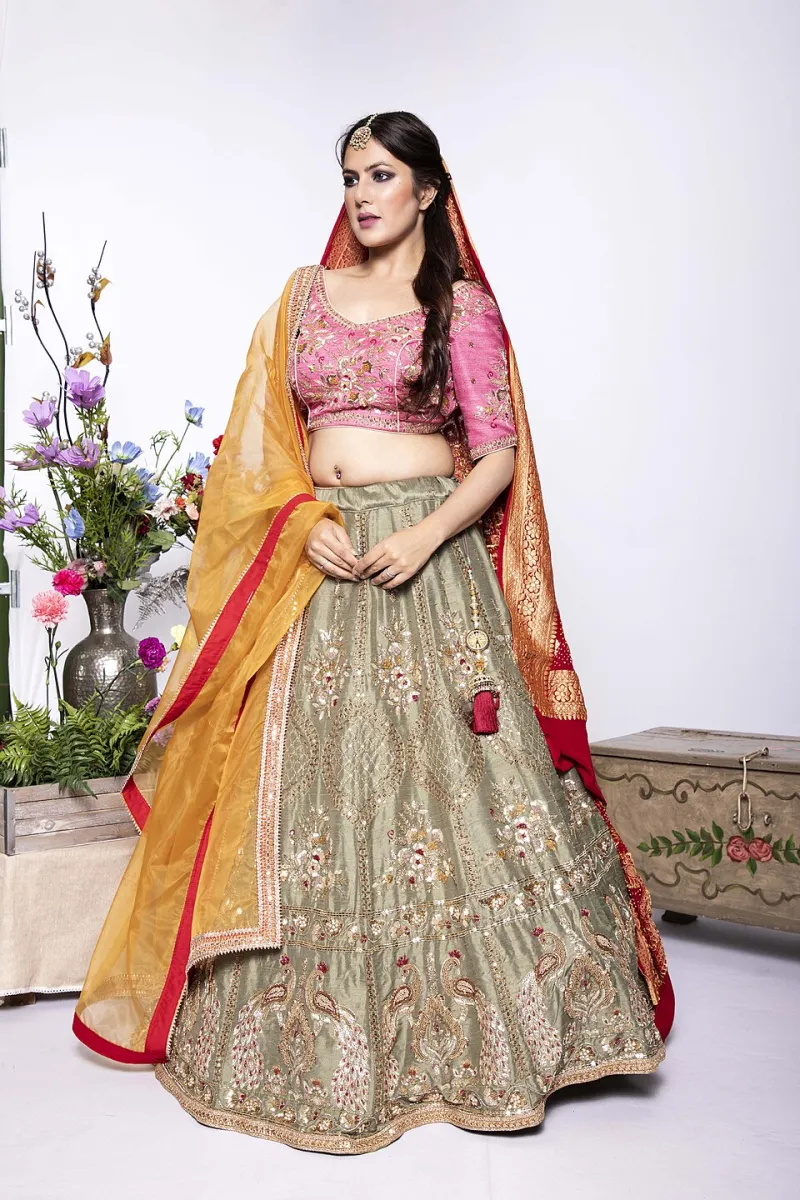
Festival wear: This is usually the biggest investment and the longest lead time. Lehengas, anarkalis, sherwanis, and sarees all need to be ordered well in advance — especially if alterations are needed. Don't forget accessories: jhumkas, bangles, maang tikkas, and footwear that can make or break an outfit.
Puja supplies: Diyas (clay and decorative), agarbatti (incense), flowers or flower petals, puja thalis, small idols or framed images of Lakshmi and Ganesha, and roli-chawal. Many of these are available on Apna Shopsy and similar platforms with US shipping.
Home décor: Rangoli stencils and powder, string lights (the warm fairy-light type is popular for indoor use), torans (door hangings), and decorative candles. Some families go all out; others keep it simple. Either way, having the supplies on hand before the week of Diwali is key.
Mithai and gifts: Traditional sweets — whether homemade or ordered from an Indian bakery — plus gift boxes for neighbors, coworkers, and friends. Dry fruit boxes, decorative diyas, and small silver items are all popular gifting options.
Holi: Easier to Shop For, Harder to Clean Up After
Holi prep is considerably less logistically demanding than Diwali, but it comes with its own shopping checklist. The main event, obviously, is color — and not all Holi colors are created equal.
If you're playing with kids, this matters a lot. Synthetic colors can contain heavy metals and harsh dyes that irritate skin and eyes. Natural, plant-based Holi colors have become significantly more available in the US market over the past few years, and they're worth seeking out. Look for colors made from flower extracts, turmeric, and other natural pigments.
Beyond color, Holi prep usually involves:
- White or light-colored clothes you don't mind sacrificing
- Water guns and balloons if you're going the full outdoor route
- Ingredients for thandai or other traditional Holi drinks
- Gujiyas, puran poli, or whatever your family's traditional Holi sweets happen to be
Many Indian American communities organize large Holi events through temples, cultural associations, and universities — so if you're new to an area, checking in with local organizations can connect you to celebrations that are already planned.
Wedding Season: The Marathon Shopping Event
If Diwali is a sprint, wedding season is a marathon. Indian American weddings are often multi-day affairs with multiple outfit changes per event — mehendi, sangeet, baraat, wedding ceremony, reception. Multiply that by the fact that you might be attending two or three weddings in a single season, and the shopping calculus gets complicated fast.
A few things experienced wedding-season veterans swear by:
Build a capsule of versatile pieces. A well-chosen lehenga skirt can be paired with different blouses and dupattas to create distinct looks for different events. Investing in a few high-quality separates rather than complete sets gives you more flexibility across multiple occasions.
Shop with the dress code in mind. Indian wedding dress codes — "cocktail Indian," "traditional," "festive" — can be genuinely confusing, especially for guests who didn't grow up navigating them. When in doubt, err toward more color and more embellishment. You will not be overdressed at an Indian wedding.
Factor in alterations time. Ready-to-wear Indian ethnic wear often requires minor tailoring to fit properly. If you're ordering online, build in at least two weeks for alterations before the event.
Don't forget the men. Sherwanis, bandhgala suits, and kurta-pajama sets for the men in the family tend to get left to the last minute. Don't let this happen.
Managing the Time Zone Problem
One dimension of diaspora festival planning that doesn't get talked about enough: coordinating with family back in India. Whether you're trying to video-call during a puja, matching your Diwali celebration timing with relatives in Mumbai, or coordinating wedding gift purchases with family members in Delhi, the time difference is a real logistical factor.
A few things that help: scheduling family calls in advance (don't assume everyone is free on Diwali evening — it's a busy day), using shared shopping lists or wish lists that family members in different countries can contribute to, and being intentional about which traditions you prioritize in your own home versus which ones you participate in remotely.
The Bigger Picture
What strikes you when you talk to Indian Americans about festival prep is how much intention goes into it. These aren't passive participants in inherited traditions — they're actively curating their cultural lives, making deliberate choices about what to preserve, what to adapt, and what to pass on to their kids.
Finding the right ghagra choli for your daughter's first Diwali, or tracking down the specific mithai your grandmother used to make, or decorating your Chicago apartment with diyas so it feels a little more like home — these aren't small things. They're the ongoing work of keeping culture alive across distance.
And having the right resources — a platform like Apna Shopsy that actually understands what you're looking for — makes that work a little easier, and a lot more fun.