Kurtas on the Corner: Why Indian Fashion Is No Longer Just for the Mandir
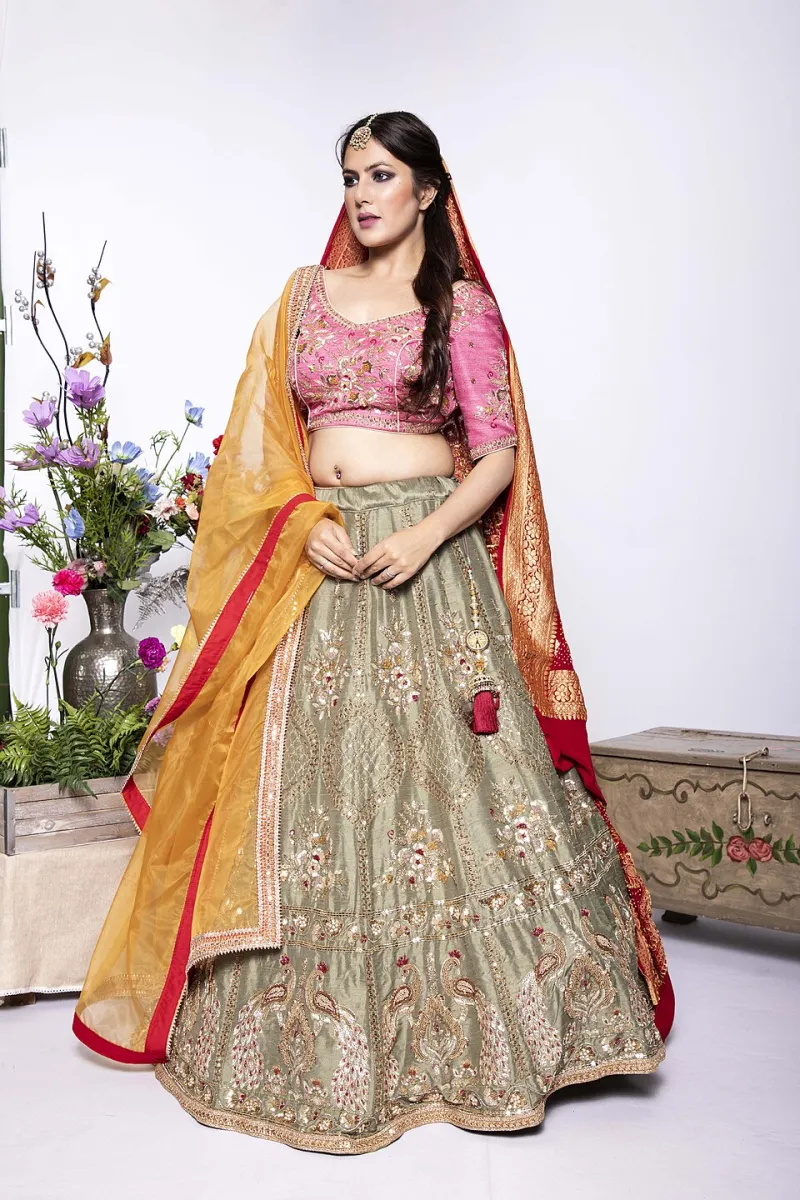
Photo: Mohit0593, CC BY-SA 4.0, via Wikimedia Commons
The Moment Everything Shifted
Not too long ago, wearing a kurta outside of a Diwali party or a family puja felt like a statement — the kind that invited questions, double takes, and the occasional "Oh, is that Indian?" from a coworker. Fast forward to today, and those same kurtas are showing up at farmers markets in Austin, rooftop brunches in Brooklyn, and college campuses from Ann Arbor to Los Angeles.
Something real has shifted in American fashion culture, and the Indian diaspora — along with a growing number of non-South-Asian style enthusiasts — is driving it. The question isn't just why Indian fashion is trending. It's why it took this long.
Fusion Is the New Foundation
Talk to anyone who's been paying attention to street style over the past few years, and the word you'll hear over and over again is fusion. Not the awkward, try-too-hard fusion of the early 2000s — we're talking about organic, wearable combinations that feel intentional rather than costumey.
Think a flowy anarkali top tucked loosely into high-waisted trousers. A Bandhani-print scarf knotted into a halter neck. Mojris — those gorgeous hand-crafted leather shoes from Rajasthan — worn with straight-leg jeans and a simple white tee. These aren't runway looks dreamed up by designers trying to be edgy. They're outfits real people are putting together in their bedrooms, posting on Instagram, and wearing to Target.
San Francisco-based stylist Priya Mehta, who runs a popular fashion account focused on South Asian style for everyday life, puts it plainly: "My followers used to ask me, 'Can I wear this to work or is it too much?' Now they're asking me how to style their ethnic pieces for every occasion — date nights, office Fridays, weekend trips. The mindset has completely changed."
Designers Who Are Bridging Both Worlds
A new generation of South Asian American designers is doing the heavy lifting here, creating collections that don't ask you to choose between your heritage and your lifestyle. Labels like Paro, Rias Jaipur, and a handful of emerging indie brands have built loyal followings by making clothes that feel equally at home in Mumbai and Minneapolis.
What makes these designers stand out isn't just their aesthetic — it's their understanding of the diaspora experience. They know their customer might be attending a Zoom call in the morning and a cousin's sangeet in the evening. They design accordingly: breathable fabrics, versatile silhouettes, and prints that read as artistic rather than overly traditional.
On the retail side, platforms like Apna Shopsy have made it dramatically easier for American shoppers to access these brands without navigating international shipping, currency conversions, or the gamble of buying something you've never touched or tried on. Having a curated desi marketplace right here in the US changes the equation entirely — it lowers the barrier to entry and makes the whole experience feel less like importing culture and more like shopping for it.
The Influencer Effect
Social media has been a massive accelerant. South Asian creators on TikTok and Instagram — many of them second- or third-generation Indian Americans — have built enormous audiences by showcasing exactly this kind of blended style. They're not presenting Indian fashion as something exotic or ceremonial. They're presenting it as their fashion, full stop.
Creators like Simrun Chopra, Masoom Minawala, and a growing roster of US-based desi influencers have normalized the idea of mixing and matching across cultural wardrobes. Their content reaches far beyond the South Asian community, introducing block prints, chikankari embroidery, and ikat patterns to audiences who might never have encountered them otherwise.
And those audiences are curious. Non-South-Asian shoppers are increasingly drawn to the craftsmanship and visual richness of Indian textiles — qualities that feel scarce in a fast-fashion landscape dominated by synthetic fabrics and generic silhouettes.
Beyond Occasion Wear: The Everyday Argument
Here's the thing that often gets lost in conversations about Indian fashion in America: a lot of these garments are incredibly practical. Kurtas are loose, breathable, and comfortable in ways that most Western tops simply aren't. Salwar pants are as easy to move in as joggers but look significantly more put-together. Dupattas serve as scarves, wraps, beach cover-ups, and impromptu picnic blankets.
Once American shoppers — desi and non-desi alike — start actually wearing these pieces in daily life, the "occasion wear" label tends to fall away pretty quickly. Comfort has a way of converting people.
Naina Sharma, a second-generation Indian American living in Chicago, says she started incorporating kurtas into her work wardrobe almost by accident. "I wore one to the office because everything else was in the laundry. My coworkers loved it, my boss complimented me, and I realized — this is just a great shirt. Why was I saving it for special occasions?"
What This Means for American Fashion Culture
The broader cultural shift here is worth acknowledging. For decades, South Asian immigrants and their children were quietly encouraged — sometimes not so quietly — to assimilate aesthetically. Wearing traditional clothing in mainstream American spaces carried a social cost that many people weren't willing to pay.
That calculus is changing. Younger generations are less interested in blending in and more interested in showing up as their full selves — which, for many Indian Americans, includes their relationship to South Asian fashion and craft traditions. The fact that this is happening at the same time that American style culture is genuinely hungry for something more interesting than athleisure is not a coincidence.
Indian fashion isn't just being tolerated in American wardrobes. It's being sought out, styled thoughtfully, and worn with pride. And honestly? It looks great.
Where to Start If You're Curious
If you've been eyeing Indian fashion but aren't sure where to begin, here's the good news: you don't need to overhaul your closet. Start with one piece — a printed kurta in a neutral palette, a pair of comfortable palazzo pants, or a set of jhumka earrings that work with outfits you already own. Wear it somewhere low-stakes and see how it feels.
Browse collections on Apna Shopsy to find pieces that are actually sized and styled for American shoppers, with real product details and straightforward shipping. No passport required.